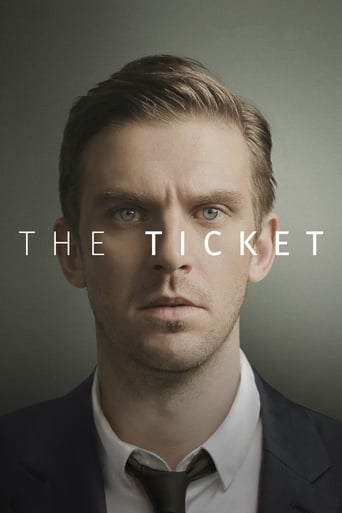
The Ticket (2016)
"What would you sacrifice for a second chance?"
Where to Watch
Not currently available on any tracked streaming platform. Check back soon.
Overview
What happens when your greatest dream finally comes true, only to turn into your worst nightmare? That’s the question at the heart of The Ticket 2016, a film that feels less like a traditional drama and more like a modern-day parable about the dangers of getting exactly what you asked for.
The Ticket — Full Movie Overview
Imagine living in a world of sounds and textures for years, only to have the lights suddenly flicker on. That’s the starting line for James, a man who miraculously regains his sight after a lifetime of darkness. At first, it feels like a gift from God. He sees his wife for the first time, gazes at his son, and starts building the “perfect” life he always thought he was missing.
But here’s the thing: as James’s physical world gets clearer, his internal compass starts spinning out of control. This isn’t a feel-good Hallmark story. Instead, it’s a moody, almost claustrophobic look at how ambition can rot a person from the inside out. The world James enters is sleek, cold, and transactional. He becomes so obsessed with the “aesthetic” of a successful life—the better car, the expensive suits, the corporate status—that he begins to look down on the very people who loved him when he couldn’t see a thing. It’s an uncomfortable experience, mostly because it asks if any of us would be any better if we were suddenly handed everything we ever wanted. The mood is heavy, the colors are muted, and the sense of impending doom is palpable from the jump.
What Makes The Ticket Worth Watching
The visual style is what really sticks with you long after the credits roll. Director Ido Fluk doesn’t just show us what James sees; he makes us feel the overwhelming, blurry, and often distorted nature of new sight. There are these long, hazy sequences where light bleeds across the screen, mimicking the sensory overload of a man whose brain is trying to catch up with his eyes. It’s a bold choice that might frustrate some viewers who want a crisp image, but I think it’s brilliant.
And then there’s the thematic weight. The movie explores the “prosperity gospel” mindset in a way that feels incredibly relevant today. We watch James trade his soul for a seat at the corporate table, convinced that his new sight is a sign that he’s “better” than he was before. The way the film links physical sight to moral blindness is a bit on the nose, sure, but the execution is so stylish and atmospheric that you can’t help but get sucked in.
Cast & Performances
Dan Stevens is the anchor here, and he’s phenomenal. He has this ability to shift from vulnerable and sweet to cold and predatory with just a slight change in his posture. If you only know him from Downton Abbey, this will be a shock to the system. He plays a “jerk” so well that you almost forget how much you liked him in the first twenty minutes. Malin Åkerman plays his wife, Sam, and she brings a quiet heartbreak to the role. She’s the emotional heartbeat of the story, representing everything James is willing to throw away.
Oliver Platt also shows up as James’s best friend, who is also blind. Platt is always a win in my book, and here he serves as the moral