If Wishes Could Kill
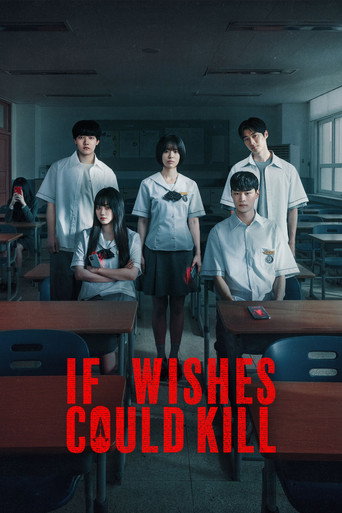
What if your deepest, most desperate desires were just a single tap away, but the price of admission was your very existence? This is the chilling central conceit of If Wishes Could Kill, the 2026 mystery drama that has sent shockwaves through the television landscape. Directed and envisioned by the visionary Park Joong-seop, the series transforms the familiar "monkey’s paw" trope into a sleek, digital-age nightmare. The story centers on a group of high school students who stumble upon a black-market application that promises to manifest any wish. However, as soon as the desire is granted, a crimson countdown timer appears on their lock screens—a literal ticking clock marking the seconds until their death. The show excels at building a claustrophobic atmosphere within a mundane urban setting. Park Joong-seop’s direction is surgical, utilizing cold color palettes and sharp, unsettling cinematography to mirror the clinical precision of the app’s deadly logic. As the protagonists realize they are part of a lethal chain reaction, the series shifts from a supernatural thriller into a visceral exploration of survival. It isn't just about the fear of dying; it is about the agonizing guilt of knowing that to stop your own clock, someone else’s must start. Why If Wishes Could Kill Has Captivated Audiences The meteoric rise of If Wishes Could Kill can be attributed to its unflinching look at the modern psyche. In an era of instant gratification, the show serves as a dark mirror to our own impulses. It moves beyond simple jump scares, instead leaning into psychological dread and the "sunk cost fallacy" of human ambition. The pacing is relentless; once that first countdown begins, the narrative never lets the viewer—or the characters—catch their breath. Beyond the thrills, the production values are impeccable. The sound design, specifically the low-frequency hum of the app’s notification sound, creates a pavlovian response of anxiety in the audience. Culturally, the show has sparked intense debate about the pressures placed on today’s youth, framing the "wish" not just as greed, but as a desperate attempt to escape a rigid, unforgiving social hierarchy. It is this marriage of supernatural horror and grounded social commentary that makes the series feel both otherworldly and terrifyingly relevant. Standout Performances The success of such a high-concept premise rests entirely on the shoulders of its young cast, and they deliver in spades. Jeon So-young is a revelation as the series lead, portraying a quiet intelligence that masks a growing, jagged terror. Her chemistry with Baek Sun-ho provides the show’s emotional heartbeat; Baek brings a rugged, protective vulnerability to his role that keeps the stakes feeling personal rather than abstract. Meanwhile, Kang Mi-na delivers a haunting performance as a character driven to the brink by her own success, and Hyun Woo-seok offers a chillingly nuanced portrayal of a student who might know more about the app’s origin than he lets on. Lee Hyo-je rounds out the group with a grounded, tragic performance that often serves as the moral compass of the story. Should You Watch If Wishes Could Kill? If you have an appetite for high-stakes psychological puzzles and "ticking clock" thrillers, If Wishes Could Kill is essential viewing. It is a masterclass in tension that rewards attentive viewers with intricate plot payoffs. Expect a somber tone and some genuinely disturbing moral dilemmas that linger long after the credits roll. While the subject matter is dark, the sheer quality of the storytelling makes it a journey worth taking for any fan of prestige mystery dramas.