Where to Watch
Not currently available on any tracked streaming platform.
Overview
Soul Mate — Quick Overview
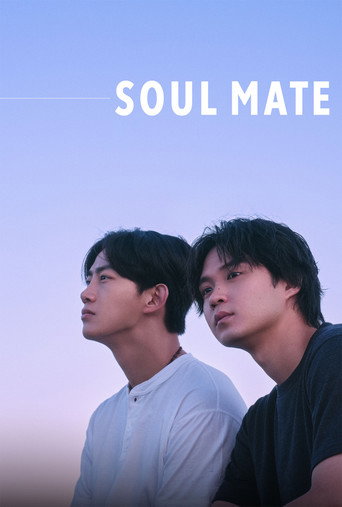
There is a specific kind of gravity that pulls two people together when they are at their absolute lowest points, and it is this heavy, atmospheric tension that defines the experience of watching the 2026 drama. The series centers on an unexpected and life-altering encounter between two men from different worlds whose lives collide in a moment of profound vulnerability. When Ryu Narutaki finds himself sinking into a deep state of despair, he is unexpectedly pulled back from the brink by Johan Hwang, a Korean boxer. This singular act of salvation sets the stage for a narrative that is as much about the bruising nature of life as it is about the healing power of human connection.
With a TMDB score of 8/10, it is clear that this production has resonated deeply with audiences who appreciate character-driven storytelling. As a single-season drama that has already reached its conclusion, Soul Mate offers a complete and self-contained emotional journey. It doesn’t rely on cliffhangers or unnecessary padding; instead, it focuses on the internal landscapes of its protagonists. The show manages to capture a sense of melancholy that is rare in modern television, treating the “wounded souls” of its characters with a level of dignity and patience that makes their eventual bond feel earned and inevitable.
Premise and Storytelling
The core of the story revolves around the concept of “intertwined fates,” a theme that the show explores with both tenderness and a sense of impending tragedy. The overview suggests that while the initial meeting between Ryu and Johan is a moment of salvation, their journey together is marked by a “cruel” intertwining of destinies. This suggests that the drama does not shy away from the complexities of trauma. The narrative of Soul Mate seems to suggest that being saved is only the beginning of a much more difficult process of recovery. By pairing a man in despair with a professional boxer, the show creates a fascinating contrast between physical strength and emotional fragility.
The tone of the series is firmly rooted in the drama genre, focusing on the slow-burn development of the relationship between the two leads. There is a poetic quality to the idea of two wounded souls drawing closer, and the writing utilizes this proximity to explore themes of loneliness and redemption. Because the show is listed as having ended after its first season, the storytelling feels intentional and focused. Every interaction between Ryu and Johan serves to deepen the audience’s understanding of their shared pain and the “cruel” circumstances that continue to bind them together even as they try to move forward.
What makes the storytelling particularly compelling is the cross-cultural element implied by the characters’ backgrounds. With a Japanese protagonist and a Korean boxer, the show navigates the nuances of communication and connection that transcend language barriers. The “despair” mentioned in the official overview acts as a universal language, allowing these two men to recognize something in each other that the rest of the world might miss. This creates a sense of intimacy that is both beautiful and haunting, keeping the viewer anchored in the emotional stakes of their survival.
Cast and Production
The success of a drama like Soul Mate rests almost entirely on the shoulders of its lead actors, and the pairing of Hayato Isomura and Ok Taec-yeon is nothing short of inspired. Hayato Isomura, known for his incredible range and ability to convey deep internal conflict, is perfectly cast as Ryu Narutaki. His portrayal of a man in a “moment of despair” requires a delicate balance of vulnerability and quiet intensity. Opposite him, Ok Taec-yeon brings a physical presence and a grounded energy to the role of Johan Hwang. The choice of a boxer as the “savior” figure is brilliant, as it allows Taec-yeon to utilize both his physicality and his ability to project a protective, yet perhaps equally scarred, persona.
The supporting cast further elevates the production, with notable performances from Ai Hashimoto, Koshi Mizukami, and Yutaro Furutachi. While the primary focus remains on the central duo, these actors provide the necessary context for the world Ryu and Johan inhabit. The production design and cinematography likely mirror the show’s thematic concerns, using light and shadow to emphasize the “wounded” nature of the characters’ lives. The fact that the series has maintained a high rating of 8/10 indicates that the creative vision was executed with a high degree of polish, ensuring that the heavy subject matter never feels exploitative, but rather deeply human.
Should You Watch Soul Mate?
If you are a fan of dramas that prioritize emotional depth and character study over high-octane plot twists, then Soul Mate is an essential watch. It is a show for those who find beauty in the breakdown and who believe that the most meaningful connections are often forged in our darkest hours. The “cruel” nature of the intertwining fates mentioned in the overview suggests that this is not a lighthearted romp, but rather a serious exploration of what it means to be human and to be seen by another person when you feel most invisible.
Ultimately, Soul Mate stands out as a poignant reminder of the impact one person can have on another’s life. Whether you are drawn to the stellar performances of Isomura and Taec-yeon or you are simply looking for a story that treats the concept of “soul mates” with a mature, dramatic lens, this series delivers. It is a complete, well-rounded narrative that respects the viewer’s intelligence and emotional investment, making it a standout title in the 2026 television landscape. For anyone who has ever felt lost, this show offers a mirror to that experience, wrapped in a narrative of unexpected salvation.