Where to Watch
Not currently available on any tracked streaming platform.
Overview
# The Doctor is In: Why House Remains the Gold Standard of Medical Procedurals
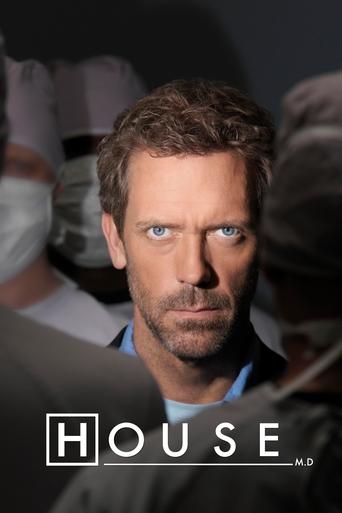
When House premiered in 2004, it didn’t just join the ranks of medical dramas; it dismantled the genre and rebuilt it around a central, limping, Vicodin-popping anti-hero. At the heart of the series is Dr. Gregory House, a man who views patients not as people, but as complex puzzles to be solved. Armed with a cane and a razor-sharp wit that cuts deeper than any scalpel, House operates out of Princeton–Plainsboro Teaching Hospital, where he leads an elite team of diagnosticians tasked with solving the medical mysteries that baffle everyone else.
House — Complete Series Overview
The brilliance of House lies in its subversion of the “heroic doctor” trope. Gregory House is misanthropic, cynical, and frequently cruel, yet his intellectual genius is undeniable. Set against the sterile, high-stakes backdrop of a New Jersey teaching hospital, the show functions as a high-concept detective series where the “criminal” is a rare pathogen or a genetic anomaly. The tone is a masterful blend of dark comedy and crushing tragedy, often pivoting from a sarcastic quip to a life-or-death moral dilemma within a single scene.Over its eight-season run, the series explores the claustrophobic world of chronic pain and the isolation of genius. While the “case of the week” provides the structural skeleton, the true meat of the show is the psychological warfare House wages against his staff, his only friend Dr. James Wilson, and his own self-destructive tendencies. It is a show about the search for objective truth in a world where, as House famously posits, “everybody lies.” The atmosphere is thick with tension, medical jargon, and the haunting realization that sometimes, even the greatest mind in the world can’t outrun a terminal diagnosis.
Why House Has Captivated Audiences
The enduring appeal of House stems from its refusal to offer easy comfort. While most procedurals rely on a sense of justice or healing, this series thrives on the friction between logic and emotion. David Shore’s writing transformed the medical drama into a character study of a man who uses his intellect as both a shield and a weapon. The production values—from the visceral, CGI-enhanced “microscopic voyages” through the human body to the moody, shadow-drenched lighting of House’s office—created an aesthetic that felt more like a noir thriller than a traditional soap.Culturally, the show bridged the gap between network television and the “Golden Age” of cable anti-heroes. House paved the way for protagonists who didn’t need to be likable to be fascinating. Its impact is still felt today, as it remains one of the most-watched and highly-rated dramas in television history, evidenced by its stellar 8.6/10 TMDB score.