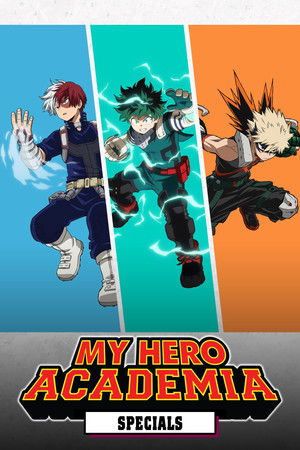

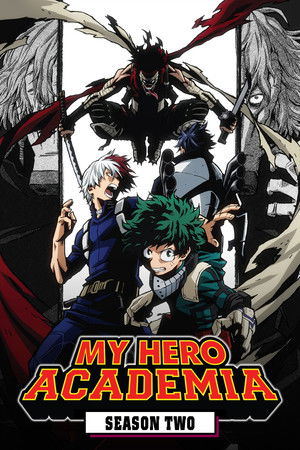
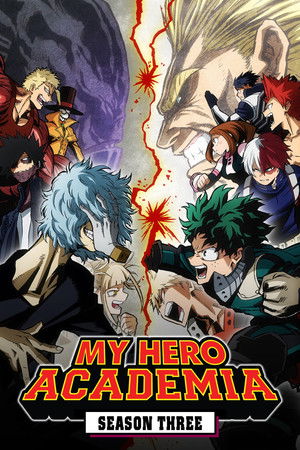

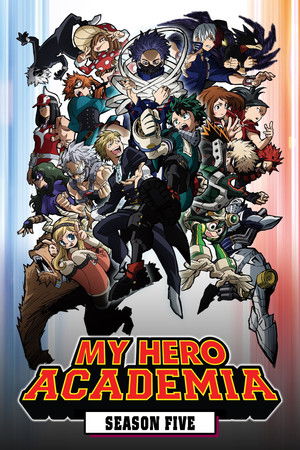
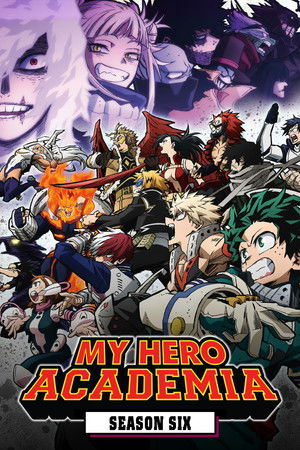
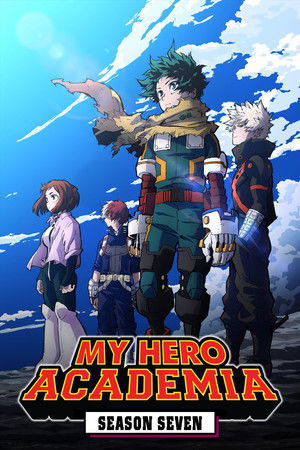
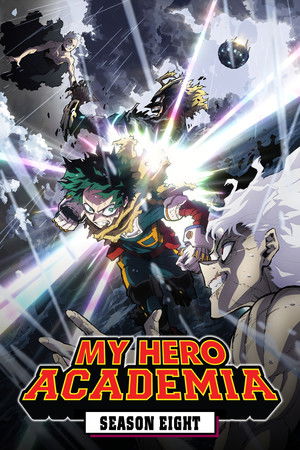


My Hero Academia is a television series that debuted in 2016, set in a fictionalized version of Earth where eighty percent of the population possesses biological modifications known as Quirks. The narrative centers on Izuku Midoriya, a youth born without such abilities in a society where personal value and professional prospects are often dictated by the strength of one’s supernatural trait. Despite his status as Quirkless, Midoriya maintains an academic obsession with the hero industry, documenting the combat strategies and power mechanics of established professionals.
His circumstances shift after an encounter with All Might, the world’s most powerful hero and the reigning Symbol of Peace. Recognizing Midoriya’s inherent altruism, All Might designates him as the successor to One For All, a unique, transferable power that stockpiles physical energy. The series follows Midoriya as he enrolls in U.A. High School, a premier training facility for prospective peacekeepers. He must navigate a rigorous curriculum, manage the physical strain of his new ability, and confront an organized syndicate of antagonists known as the League of Villains.
Why You Should Watch My Hero Academia
The series is notable for its analytical approach to the superhero genre, focusing heavily on the technical and logistical constraints of superpowers. It treats Quirks not as magical solutions, but as physical muscles that require conditioning, often leading to fatigue or bodily harm if overused. This creates a grounded stakes system where strategy and tactical cooperation are as vital as raw strength. Notable elements include:
- World-Building: The show explores the legal frameworks, licensing requirements, and economic impacts of a superhero-reliant society.
- Character Progression: Power growth is slow and earned through intense physical rehabilitation and academic study.
- Antagonist Depth: The villains are often presented as victims of the societal flaws inherent in a system obsessed with power hierarchies.
My Hero Academia Story Setup
The history of the world in My Hero Academia traces back to the appearance of a luminescent infant in China, which marked the onset of the Quirk era. As these abilities became ubiquitous, global society entered a period of instability before stabilizing under a new legal regime that professionalized heroism. Izuku Midoriya enters this world at a transition point where the aging All Might can no longer sustain the facade of invincibility. This power vacuum serves as the primary catalyst for the rising conflict between the government-sanctioned heroes and the underground criminal networks.
The Academic Framework
The early seasons focus on the U.A. High School entrance exam and the Sports Festival. These events are not merely spectacles but function as critical screening processes for the hero industry. Class 1-A, the primary group of students, undergoes simulated rescue missions and combat training under the supervision of Eraser Head, a teacher who can nullify others’ powers. This environment establishes the baseline for the students’ development before they are forced into real-world combat scenarios.
The Evolution of One For All
A central plot point is the mystery surrounding One For All and its dark counterpart, All For One. As Midoriya learns to control his output, he discovers the remnants of previous users embedded within the power. This genetic legacy adds a layer of investigative mystery to the show, as Midoriya must reconcile his own identity with the weight of decades of conflict between the two primary opposing forces of the Quirk world.
My Hero Academia Cast and Characters
The character dynamics are anchored by the rivalry between Izuku Midoriya and Katsuki Bakugo. While Midoriya represents analytical altruism, Bakugo embodies raw talent and aggressive ambition. Their relationship evolves from childhood acquaintances to fierce competitors, providing a consistent look at how different personality types respond to the pressure of high-level expectations. Bakugo’s struggle to accept Midoriya’s growth is a recurring thematic element throughout the narrative.
Key Support Characters
Shoto Todoroki provides a complex look at the burden of genetic expectations. Born from a calculated marriage intended to produce the perfect hero, Todoroki possesses control over both fire and ice. His journey involves rejecting the influence of his father, Endeavor, while learning to claim his powers as his own. Other students like Ochaco Uraraka and Tenya Iida contribute to the collective development of the class, each representing different motivations for pursuing the hero profession, ranging from financial stability to family legacy.
Where to Watch My Hero Academia
As of 2024, the series is widely accessible across several major streaming platforms in the United States and international markets. Crunchyroll serves as the primary distributor for both subtitled and dubbed versions of the show, hosting all current seasons and several theatrical films. Hulu also carries the series, providing a localized viewing option for many subscribers. Additionally, Netflix has secured distribution rights in various regions, though availability varies by geographical location.
For those looking for permanent digital copies, the series is available for purchase through the Amazon Video store, Apple TV, and Google Play Movies. Physical media releases, including Blu-ray and DVD sets, are handled by Funimation and Crunchyroll. It is important to note that specific spin-offs and movies may require separate subscriptions or individual purchases depending on the provider’s current licensing agreements.
What Sets My Hero Academia Apart
One of the defining characteristics of the series is its deconstruction of the “Symbol of Peace” concept. While traditional superhero media often presents the hero as an unwavering pillar, My Hero Academia examines the fragility of such a system. The show argues that relying on a single individual to maintain social order creates a vacuum of responsibility, making the entire structure vulnerable once that individual can no longer perform. This political subtext elevates the show above standard action-based narratives.
The Quirk Singularity Theory
The series introduces the Quirk Singularity Theory, a scientific hypothesis within the world suggesting that as powers continue to mix and evolve through generations, they will eventually become too complex for the human body to manage. This adds a sense of existential dread to the world-building, suggesting that the current era of heroes may be the final peak before a societal collapse. This scientific grounding distinguishes the show from other fantasy series by providing a biological and evolutionary limit to its power system.
The Villains’ Perspective
Unlike many series where antagonists are motivated by pure malice, the League of Villains is portrayed as a collection of social outcasts. Characters like Tomura Shigaraki and Toga Himiko represent those whose Quirks or backstories do not fit into the idealized standards of the hero society. By humanizing the opposition, the series forces the audience to question the morality of the status quo and the collateral damage caused by the hero-villain dichotomy.
| Director | Kenji Nagasaki |
|---|---|
| Main Cast | Daiki Yamashita, Nobuhiko Okamoto, Ayane Sakura |
| Release Year | 2016 |
| Genre | Action, Adventure, Sci-Fi |
Is My Hero Academia Safe to Watch? (Age Rating Guide)
Rated TV-14.
Browse more curated picks in TV Shows and Movies.
For verified credits, release details, or official resources, visit IMDb and Official Site.
Frequently Asked Questions
When was My Hero Academia released?
My Hero Academia was released on April 3, 2016.
What is My Hero Academia about?
After he saves a bully from a Villain, a normal student is granted a superpower that allows him to attend a high school training academy for Heroes.
Where can I watch My Hero Academia?
My Hero Academia is available on Amazon Video, Apple TV, and Crunchyroll.