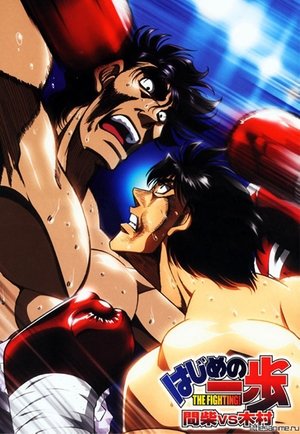
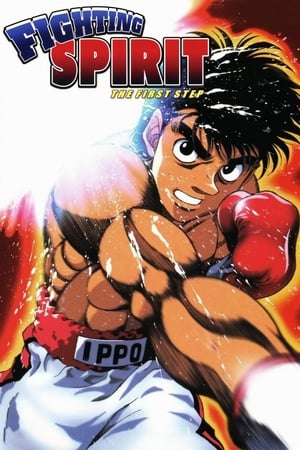
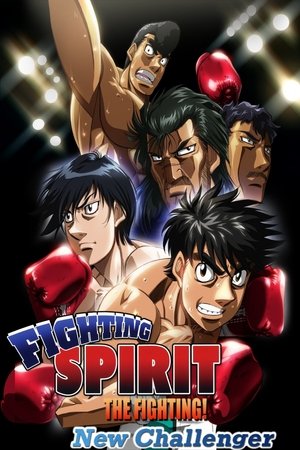
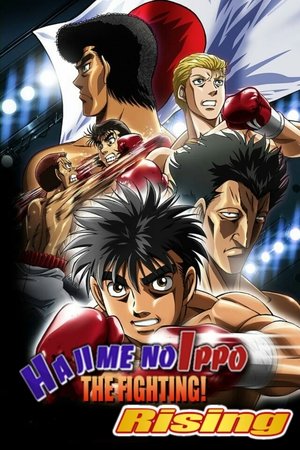


Fighting Spirit, which is also known by its Japanese title Hajime no Ippo, is a sports television series that originally aired on October 3, 2000. The show followed the life of Makunouchi Ippo, a shy high school student who spent most of his time helping his mother, Hiroko, manage the family business, the Makunouchi Fishing Boat Rental. Because of the nature of his work, Ippo often carried the scent of fish, which made him a frequent target for a group of bullies led by a student named Umezawa.
His life changed significantly when a professional middleweight boxer named Mamoru Takamura saved him from an after-school beating. After being knocked unconscious, Ippo woke up in the Kamogawa Boxing Gym and felt an immediate fascination with the strength Takamura possessed. This encounter prompted Ippo to ask for training, initiating his journey into the world of professional boxing. He joined the gym under the instruction of Coach Genji Kamogawa to discover the answer to one central question: what does it mean to be strong?
Why You Should Watch Fighting Spirit
The series provided a grounded look at the life of an athlete in the TV Shows landscape of the early 2000s. It did not rely on magical powers or unrealistic physics to depict its matches. Instead, the story showed the repetitive and often exhausting nature of athletic training. Ippo had to master basic movements like roadwork, shadow boxing, and sandbag training before he was ever allowed to enter a professional ring. This focus on discipline and technique separated it from more fantastical action series.
Technical Boxing Realism
One of the most notable features of the series was its attention to the mechanics of boxing. The animators and writers integrated real-world boxing strategies and styles into every match. Characters used recognized techniques such as the Peak-a-boo stance, the Hitman style, and the Dempsey Roll. These elements were not just for show but were used as tools to solve specific tactical problems during a fight. Every match felt like a physical puzzle where the characters had to adapt their movements to counter their opponents.
The show also highlighted the physical consequences of the sport. It did not shy away from showing the damage taken by the boxers, including the long-term effects of hard training and repeated blows. Ippo and his rivals often faced injuries that forced them to rethink their careers or change their fighting styles entirely. This realism added a level of weight to the outcomes of the matches, as the stakes involved the characters’ long-term health and professional survival.
Detailed Character Growth
The development of the ensemble cast was another strength of the production. While Makunouchi Ippo was the protagonist, the show provided significant background for his rivals and gym mates. Ichiro Miyata, a technical prodigy, served as Ippo’s primary rival and motivated him to improve his skills. Their relationship was built on mutual respect and the desire to see who was the superior boxer in a professional setting. The show followed Miyata’s own journey through the OPBF rankings alongside Ippo’s domestic career.
The supporting cast at the Kamogawa Gym, including Masaru Aoki and Tatsuya Kimura, offered a different perspective on the sport. They represented the average professional boxers who struggled to maintain their rankings while balancing their personal lives. Their presence introduced a layer of humor and camaraderie that balanced the drama of the championship fights. The interactions between these characters showed the mental toll of the sport and the importance of a strong support system during training camps.
High-Quality Animation and Sound
The studio Madhouse was responsible for the animation, and they utilized a style that remained faithful to the original manga by George Morikawa. The visual presentation focused on the impact and speed of the punches. During the All-Japan Rookie King Tournament, the animation became increasingly detailed to convey the power of the fighters. The use of speed lines and heavy shading gave the action sequences a sense of momentum that few other sports shows could match at the time.
The sound design also played a critical role in the show’s effectiveness. The impact of a glove hitting a heavy bag or an opponent’s ribs was emphasized with sharp, distinct sound effects. Tsuneo Imahori composed the soundtrack, which combined rock elements with electronic beats to maintain a fast pace during training montages and fights. These production choices created an environment that felt both gritty and energetic, capturing the atmosphere of a professional boxing gym in Tokyo.
Is Fighting Spirit Safe to Watch? (Age Rating Guide)
Rated TV-PG.
For verified credits, release details, or official resources, visit IMDb and Official Site.
| Director | Not available |
|---|---|
| Main Cast | Kohei Kiyasu, Rikiya Koyama, Wataru Takagi, Keiji Fujiwara, Jurota Kosugi |
| Release Year | 2000 |
| Genre | Action & Adventure, Animation, Comedy |
Frequently Asked Questions
When was Fighting Spirit released?
Fighting Spirit was released on October 3, 2000.
What is Fighting Spirit about?
Makunouchi Ippo is an ordinary high school student in Japan. Since he spends most of his time away from school helping his mother run the family business, he doesn't get to enjoy his younger years like most teenagers.
Where can I watch Fighting Spirit?
Fighting Spirit is available on AsianCrush, Cineverse, and Crunchyroll Amazon Channel.